Woolmers and Brickendon are twin UNESCO World Heritage convict-era estates near Longford, about 20 minutes' drive from Launceston. Best visited November to January when Woolmers' rose garden is in full bloom, though homestead tours run year-round. Allow half a day at each estate, or a full day for both. Grounds are flat and easy walking on gravel and grass. There's no public transport, so a hire car is essential.
Why Longford is worth the drive from Launceston
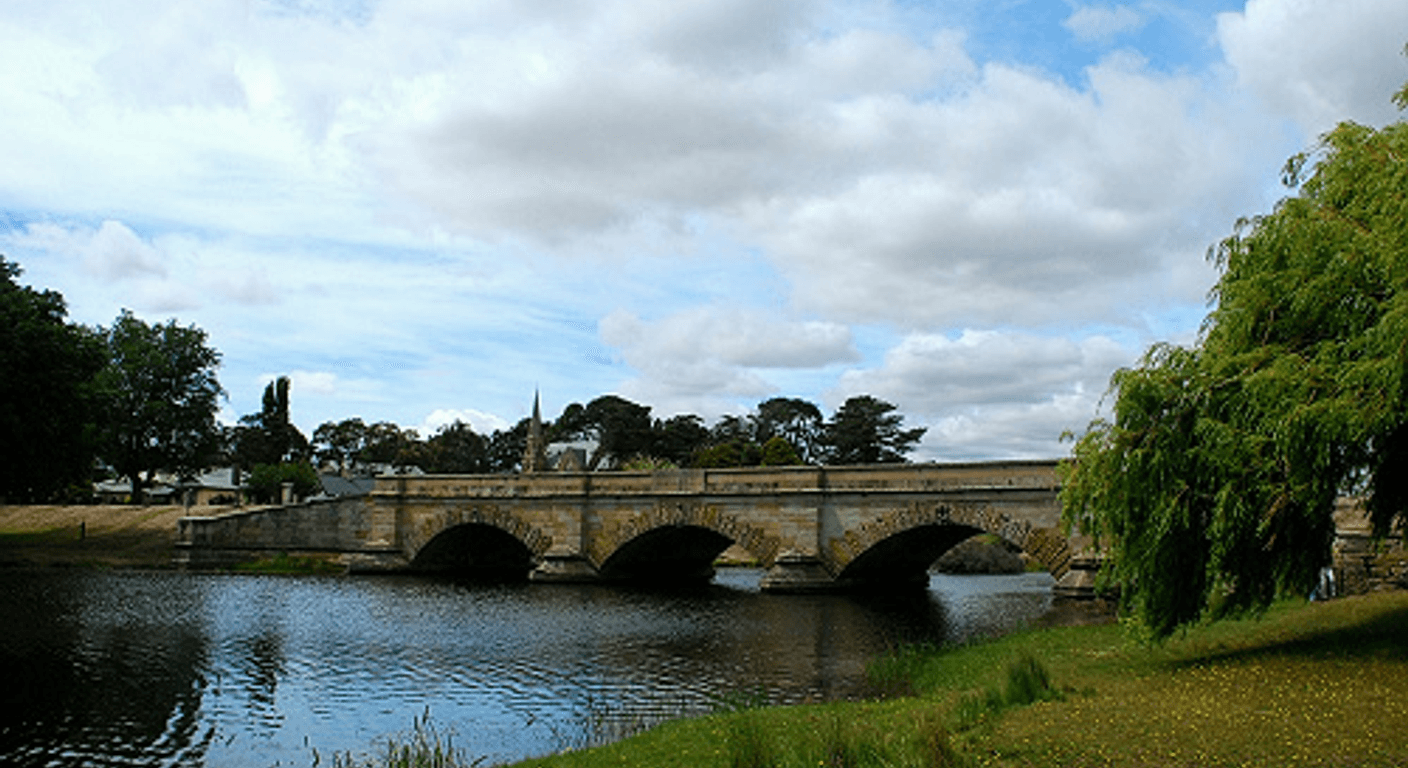
Longford sits about 20 minutes south of Launceston by car, in the South Esk River valley — flat, green farming country that looks much as it would have in the 1830s. The town itself is quiet and unhurried, with a heritage streetscape, a decent café for a morning coffee, and none of the tourist bustle you find closer to the city. For a solo traveller who prefers to set his own pace, that quietness is part of the appeal.
Woolmers and Brickendon are both on the edge of Longford and can be done in a single day if you start early, though half a day at each estate is the more comfortable approach. There is no public transport to speak of between Launceston and Longford, so a hire car or your own vehicle is the practical choice. Parking at both estates is free and straightforward.
The two properties are inscribed together as part of the Australian Convict Sites, a UNESCO World Heritage listing that covers eleven sites across Australia recognising the convict-era built environment. What sets Woolmers and Brickendon apart is that both remain working or semi-working rural properties with original buildings still standing — not reconstructions, not interpretive centres with replica tools, but actual structures where assigned convict labourers once lived and worked.
What is the story behind Woolmers and Brickendon?
Both estates were established by the Archer family in the early nineteenth century. Woolmers was granted to Thomas Archer in 1817, and Brickendon to his brother William around the same time. The families farmed the land for generations, and the properties remained in Archer family ownership for well over a century — which is precisely why so much survives intact. When land is sold and subdivided, buildings tend to come down; when it stays in one family with a strong sense of stewardship, they tend to stay up.
At Woolmers, you can walk through the main homestead, outbuildings, a church, workers' cottages, and a convict village row — a terrace of small stone cottages that housed assigned convicts. The sense of scale is striking: this was not a small farm but a substantial agricultural enterprise dependent on unfree labour. The estate also holds what is considered one of the significant heritage rose gardens in the Southern Hemisphere, planted largely in the nineteenth century.
Brickendon tells a similar story through a different lens. The farm village at Brickendon — a cluster of original farm buildings including a barn, chapel, granary, and workers' cottages arranged around a central yard — is particularly well-preserved and gives a tangible sense of how a convict-era estate operated as a near self-sufficient community. William Archer was an amateur naturalist and the property has a long history of careful observation of the land, which adds another layer to the story.
What can you see and do at Woolmers Estate?
Entry to Woolmers includes self-guided access to the grounds, the convict village, the church, and the rose garden. Guided tours of the homestead interior run at set times and are worth joining — the house is furnished with original pieces accumulated over generations, and the guides provide context that the rooms alone cannot. Check the current tour schedule on the Woolmers website before you go, as times can vary by season.
The rose garden is the estate's most photographed feature, and if you are visiting in late spring or early summer — roughly November to January — it is genuinely worth timing your visit around. Outside that window, the garden is still a pleasant space with established plantings and a sense of age, but the full bloom period is when it earns its reputation. The grounds are predominantly flat, with gravel paths and some grass areas, which makes the walk manageable for most travellers. Uneven ground exists in a few spots around older outbuildings, so take sensible footwear.
Allow at least two to three hours at Woolmers, more if you linger in the rose garden or take your time in the homestead. There is a café on site serving light meals and refreshments — useful for a mid-morning break before heading to Brickendon. Entry and guided tour pricing is indicative at around $25–$35 per person; seniors concessions may be available, and you should confirm current rates directly with the estate at woolmers.com.au.
What can you see and do at Brickendon Estate?
Brickendon operates as a working farm and also offers accommodation in heritage cottages, which gives it a lived-in quality that distinguishes it from a purely museum experience. The farm village precinct is the centrepiece for day visitors — you walk through the original collection of farm buildings at your own pace, reading interpretive panels that explain the function of each structure and the lives of the people who worked there. The scale and completeness of the village is what makes Brickendon stand out; very few places in Australia have this many original convict-era farm structures in one location.
The grounds at Brickendon are largely flat, with some gentle undulation around the farm village. Paths are a mix of gravel and compacted earth. The chapel is small but carefully maintained, and the barn is a substantial timber structure that gives a real sense of the agricultural ambition of the original estate. Guided tours of the homestead may be available depending on the season; check the Brickendon website at brickendon.com.au for current offerings and pricing.
Entry pricing at Brickendon is indicative at around $25–$35 per person; again, confirm current prices and any available concessions before you go. If you have the budget and the inclination, staying overnight in one of the heritage cottages on the property is a genuinely different experience — quiet, surrounded by working farmland, and a long way from the feel of a hotel room. That said, for a day-tripper out of Launceston, the grounds and farm village alone justify the visit.
How to structure the day — practical pacing for a solo traveller
A sensible approach is to leave Launceston by 9 am, head to Woolmers first, spend the morning there including the guided homestead tour and a walk through the rose garden, and stop for a light lunch at the on-site café. From Woolmers, Brickendon is only a few minutes by car. Arrive at Brickendon early afternoon and allow two to three hours to walk the farm village precinct and take in the grounds at a relaxed pace.
That schedule gets you back to Launceston by late afternoon without feeling rushed. If you prefer a slower pace — and at 69, there is no reason to rush a World Heritage site — consider doing just one estate thoroughly per visit and returning another day for the second. Both are within easy reach of Launceston's accommodation, and Longford itself has a handful of cafés and a pub if you want to extend the day.
One practical note: both estates can get cool even in summer, particularly in the morning. A layer is worth having. In winter, Longford can be genuinely cold and the grounds damp; the homestead tours are still worthwhile, but the rose garden at Woolmers and outdoor walking at Brickendon are more enjoyable in the warmer months. Check opening hours for both estates before you go, as they can vary seasonally.
Getting there and getting around — accessibility and transport
The most straightforward way to reach Longford from Launceston is by car. The drive is around 20 minutes on the Bass Highway and then the Midland Highway — a simple, well-signed route with no difficult navigation. Hire cars are available from Launceston Airport and the city centre from the major national operators. There is no scheduled bus service that connects Launceston to Longford with any useful frequency for a day trip, so public transport is not a realistic option here.
Parking at Woolmers and Brickendon is free, at-grade, and close to the entry points. Both estates have made efforts to improve accessibility in recent years. The main walking areas at both properties are predominantly flat with compacted gravel or grass surfaces, which suits most walkers, including those with a walking pole or who tire easily on uneven ground. Some areas around older outbuildings have rougher surfaces. Visitors with more significant mobility needs should contact each estate directly to discuss what is accessible before making the trip.
For travellers flying into Launceston from Melbourne, the drive to Longford is a natural first or second day outing — the estates are in the opposite direction from the popular Tamar Valley wine route, so it is easy to plan a few days that cover both without backtracking. Launceston has good accommodation options across a range of budgets and styles; the Discover Tasmania website at discovertasmania.com.au is a reliable starting point for planning.
The broader picture — why convict history matters here
Australia's convict past sits awkwardly in the national story, and Tasmania — Van Diemen's Land as it was — holds a disproportionate share of that history. Between 1803 and 1853, roughly 75,000 convicts were transported to the island. Many were assigned to private settlers as unpaid labour, and the large pastoral estates of the Midlands were built substantially on that system. Walking through the convict village at Woolmers or the farm buildings at Brickendon is not a comfortable, uncomplicated experience — nor should it be.
For a traveller of Anglo-Celtic heritage, there is a particular kind of reckoning available at these sites. The people who built these structures, tended these fields, and lived in these cramped cottages were, in many cases, transported for offences that would today earn a fine or a community service order. They were labourers, domestic servants, petty thieves, and political prisoners, overwhelmingly from the British Isles. The interpretive material at both estates engages with this history honestly rather than romanticising it.
The UNESCO World Heritage listing of the Australian Convict Sites in 2010 recognised what historians had long argued: that these places represent an extraordinary period of forced migration and coerced labour that shaped the character of Australian society. Woolmers and Brickendon are among the most intact and evocative of those sites anywhere in the country. That is the real reason to go.
Quick planning guide
| Ideal pace | Slow and unhurried — half a day per estate, or both in one relaxed full day |
|---|---|
| Best months | November to January for the Woolmers rose garden; homestead tours possible year-round, though winter is cold and damp |
| Suggested stay | Half a day per estate; a full day covers both without rushing |
| Mobility level | Easy — predominantly flat gravel and grass paths, with a few uneven patches near older outbuildings |
| Cost level | Budget-friendly — entry and guided tours roughly $25–$35 per person at each estate |
| Comfort level | Comfortable — on-site café at Woolmers, guided tours, and heritage cottage accommodation at Brickendon; bring a layer as it stays cool even in summer |
| Best for | Solo and older travellers interested in colonial architecture, convict history, and working heritage farms |
| Main planning consideration | No practical public transport to Longford — a hire car or own vehicle is essential, and tour schedules should be checked in advance as they vary seasonally |
Key takeaways
- Woolmers and Brickendon are both UNESCO World Heritage convict sites near Longford, about 20 minutes from Launceston by car.
- Entry and guided homestead tours at each estate cost roughly $25–$35 per person — confirm current prices and seniors rates directly with each property before visiting.
- The grounds at both estates are predominantly flat with gravel and grass paths, making them accessible for most older travellers with sensible footwear.
- Allow half a day per estate; both can be done in a single day if you start from Launceston by 9 am.
- The Woolmers rose garden is at its best during the late spring and early summer flowering season, roughly November to January.
- There is no practical public transport to Longford for a day trip — a hire car or your own vehicle is the only realistic option.
Recommended partners and links
Indicative prices only — always confirm with the operator before booking.
Frequently asked questions
How far are Woolmers and Brickendon from Launceston?
Both estates are near Longford, which is approximately 20 minutes south of Launceston by car via the Midland Highway. There is no useful public bus service for a day trip, so a hire car or private vehicle is necessary.
How much does it cost to visit Woolmers and Brickendon?
Entry and guided house tours at each estate cost roughly $25–$35 per person as an indicative figure. Seniors concessions may be available. Prices can change, so confirm current rates directly with Woolmers at woolmers.com.au and Brickendon at brickendon.com.au before visiting.
Are Woolmers and Brickendon accessible for older visitors with mobility considerations?
Both estates are largely flat, with compacted gravel and grass paths that suit most walkers. Some areas around older outbuildings have uneven ground. Visitors with significant mobility needs should contact each estate directly before visiting to confirm what is accessible.
What is the best time of year to visit Woolmers Estate?
The rose garden at Woolmers is at its peak during the flowering season, roughly November to January. The homestead tours and convict village are worthwhile year-round, but the outdoor experience is more pleasant in the warmer months. Winter visits are possible but can be cold and wet.
Can you visit both Woolmers and Brickendon in one day?
Yes, with an early start from Launceston. A practical approach is to spend the morning at Woolmers including a guided homestead tour, have lunch at the on-site café, then drive to Brickendon for the afternoon. Allow two to three hours at each estate for a comfortable visit.